

Hi there, it’s Emily Martinez here with a look at some international stories that affect more than headlines—they ripple out to touch communities like ours in Joliet, Illinois.
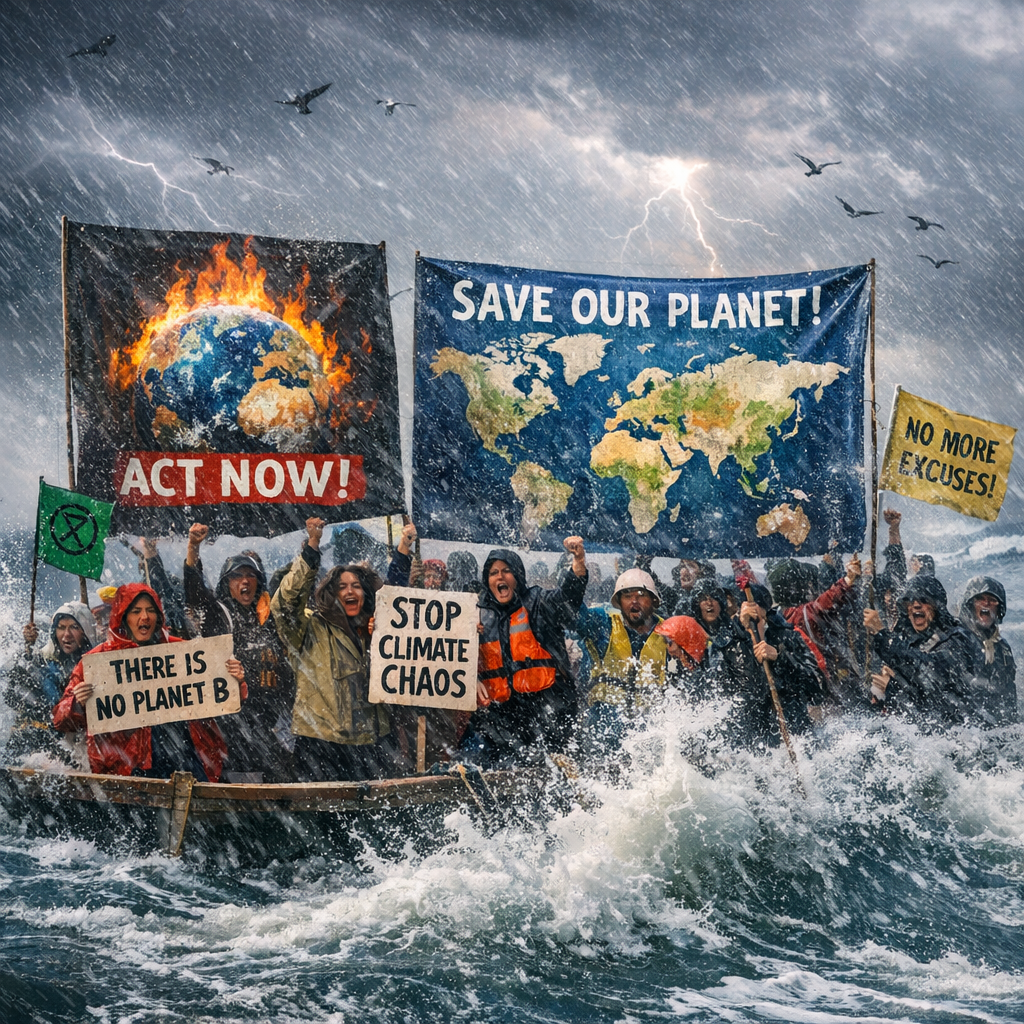
Climate Change: It’s no longer a faraway forecast
Global warming is now estimated to have pushed Earth’s average surface temperature to about 1.37 °C above pre-industrial levels, with emissions of greenhouse gases like carbon dioxide and methane still climbing. If current trends continue, the planet could hit 1.5 °C warming by around 2030, a threshold many scientists warn will bring more intense heat waves, floods, droughts, and rising seas. These changes aren’t abstract—they translate into more extreme storms, disruptions to agriculture, and public health threats even here in the Midwest.
Ukraine-Russia War: A conflict without easy resolutions
The war between Ukraine and Russia continues, with diplomatic efforts and peace talks ongoing but no end yet in sight. Fierce fighting persists, especially in Ukraine’s east, with widespread damage to critical infrastructure, like power grids and heating systems, affecting civilian populations. Relief organizations warn of increased humanitarian risks should cease-fire delays stretch out. The global community remains deeply invested, but solutions remain elusive.
South China Sea Disputes: Rising tensions at sea
Disputes over islands, shoals, and maritime borders in the South China Sea have escalated once more. The Philippines and China have exchanged accusations over aggressive behavior by coast guard vessels near disputed maritime features. Analysts have observed a notable increase—sometimes sharp—in military patrols, confrontations, and non-violent “gray zone” tactics such as blockades or harassing maneuvers. These tensions pose risks to regional stability, trade routes, and international law.
What these global challenges mean for Joliet
So what do these issues far away mean for us locally? First, disruptions in global supply chains can affect the price and availability of fuel, food, and consumer goods here. Second, climate change already drives weather extremes, which may lead to costly damage from storms, heatwaves, or winter extremes in Illinois. Third, as the U.S. engages diplomatically and economically in global hotspots, local decisions—like college programs, business investments, and community preparedness—can reflect these broader shifts.
What’s next—and what to watch for
- Diplomatic breakthroughs or renewed rounds in peace talks regarding Ukraine. Any major ceasefire could alter refugee flows and global food and energy markets.
- How well countries implement heat-waves, flood control, and emissions targets under climate agreements. Even incremental changes in U.S. policy or manufacturing practices can start to show real benefits or costs.
- Decisions by international courts, ASEAN negotiations, or U.N. bodies in South-East Asia that may influence maritime law, freedom of navigation, and relations among Asian powers.
In a globalized world, distance doesn’t protect us from global challenges. Staying informed helps us stay ready—here in Joliet and beyond.