

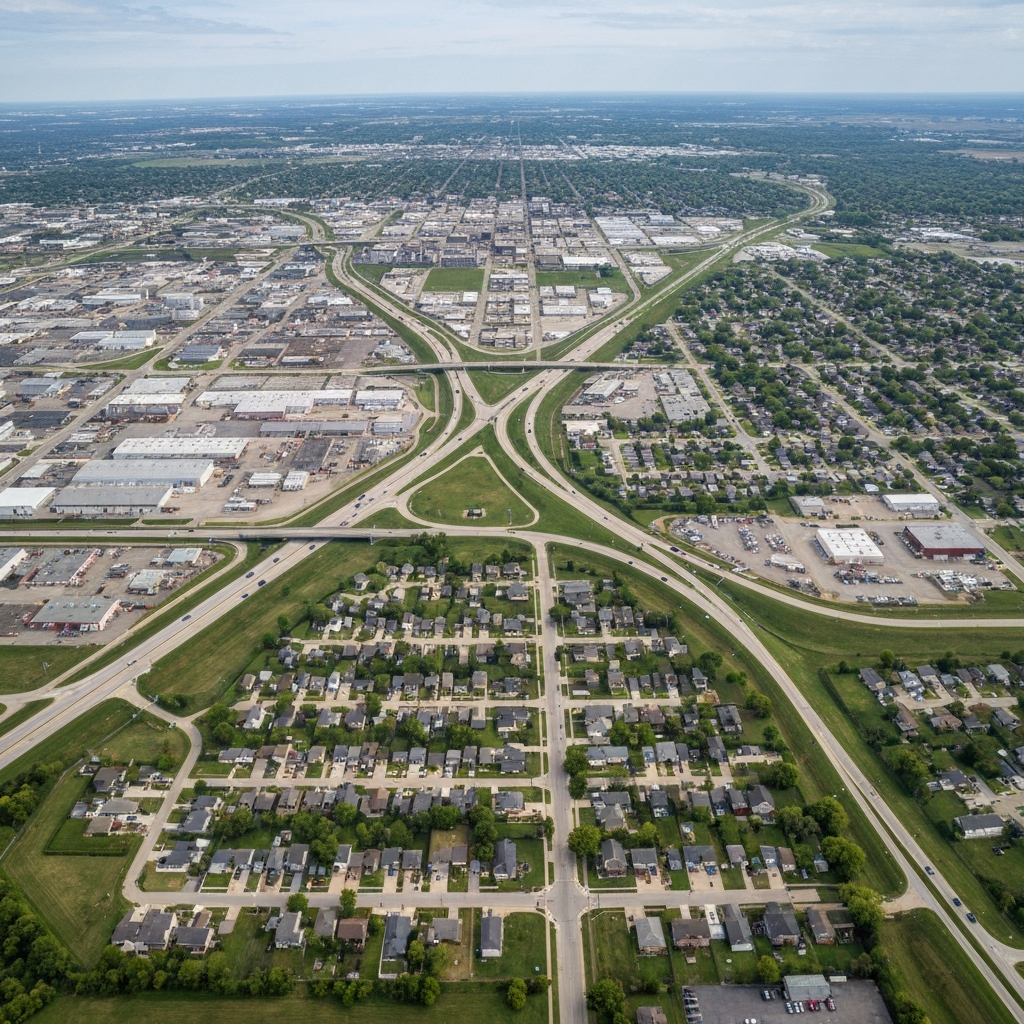
National economic policies, including tariffs, tax reforms, and federal funding decisions, have a significant impact on local economies. In Joliet, Illinois, these policies influence various sectors, from construction and manufacturing to public services and infrastructure development.
Tariffs and Local Industries
Recent federal tariffs have affected several industries in the Joliet area. The construction sector, for instance, has faced increased costs due to tariffs on building materials. According to the National Association of Home Builders, tariffs have added approximately $10,900 to the average cost of a new home. This increase poses challenges for builders and potential homeowners alike.
Tax Policies and Public Services
Changes in federal and state tax policies also impact Joliet’s fiscal planning. The state’s repeal of the 1% grocery tax, effective January 1, 2026, prompted the City of Joliet to propose maintaining a local 1% grocery sales tax to safeguard $3.7 million in critical funding. This measure aims to ensure continued support for essential public services and infrastructure projects.
Infrastructure and Economic Development
Federal funding and policies play a crucial role in local infrastructure development. Joliet’s strategic location as the “Crossroads of Mid-America” has attracted major firms like Amazon, IKEA, and Home Depot. Continued federal investment in transportation and infrastructure is vital to support this growth and maintain the city’s economic momentum.
Community Initiatives and Federal Support
Local initiatives, such as Joliet Junior College’s programs, benefit from federal support. In Fiscal Year 2020, JJC’s operations contributed approximately $128.7 million to the regional economy and supported over 1,400 jobs. Continued federal funding for education and workforce development is essential for sustaining these positive outcomes.
Understanding the interplay between national economic policies and local economies is crucial for communities like Joliet. By staying informed and proactive, local leaders and residents can navigate these challenges and opportunities to foster a resilient and thriving community.